New Pages After Sanctions: How Propagandist Media Attempts to Restore Ads on Facebook

On February 24, 2026, the United Kingdom imposed sanctions on the Georgian TV companies Imedi and Post TV. As a result, these media organizations, among other consequences, also faced restrictions on sponsoring or advertising their content on Meta’s social media platforms. According to ISFED’s observation, in response to these restrictions, both TV companies are attempting to open new Facebook pages and use them to promote their content.
In the United Kingdom’s official statement, the TV companies Imedi and Pos TV were described as organizations “involved in Russian disinformation.” The decision to impose sanctions was justified by the broadcasters’ dissemination of “deliberately misleading information” regarding Russia’s full-scale invasion of Ukraine. The imposed sanctions include the freezing of these organizations’ assets, a ban on trust services, and the possibility of the disqualification of directors. The sanctions document cites identical grounds in relation to both television companies.
Leaders of the Georgian Dream party expressed support for the sanctioned television companies. Among them, Irakli Kobakhidze stated that “no journalist at any [sanctioned] TV company will face worse conditions.” Nevertheless, despite these assurances, the TV companies have already faced a number of problems due to the sanctions. The day after the sanctions were imposed, Imedi’s websites imedi.ge and imedinews.ge went offline. In a post published by Imedi on February 26, it was confirmed that the sanctions were the reason for the shutdown. Based on information from informed sources, Radio Free Europe/Radio Liberty reported that “after the imposition of British sanctions, salaries at the pro-government Imedi were paid in cash.” According to the outlet, the reason for this decision was to avoid putting banks in an uncomfortable position. After problems emerged with banking services, Imedi announced plans to create its own bank, called “Imedi Bank.”
The sanctions imposed by the United Kingdom on propagandistic media outlets also affected these television companies’ social media pages. For example, advertising on the main Facebook pages of these media outlets on Meta platforms was suspended on February 25. In both cases (as of March 10, 2026), the Ads Library indicates that the organizations’ ability to run advertisements has been restricted due to violations of advertising standards.
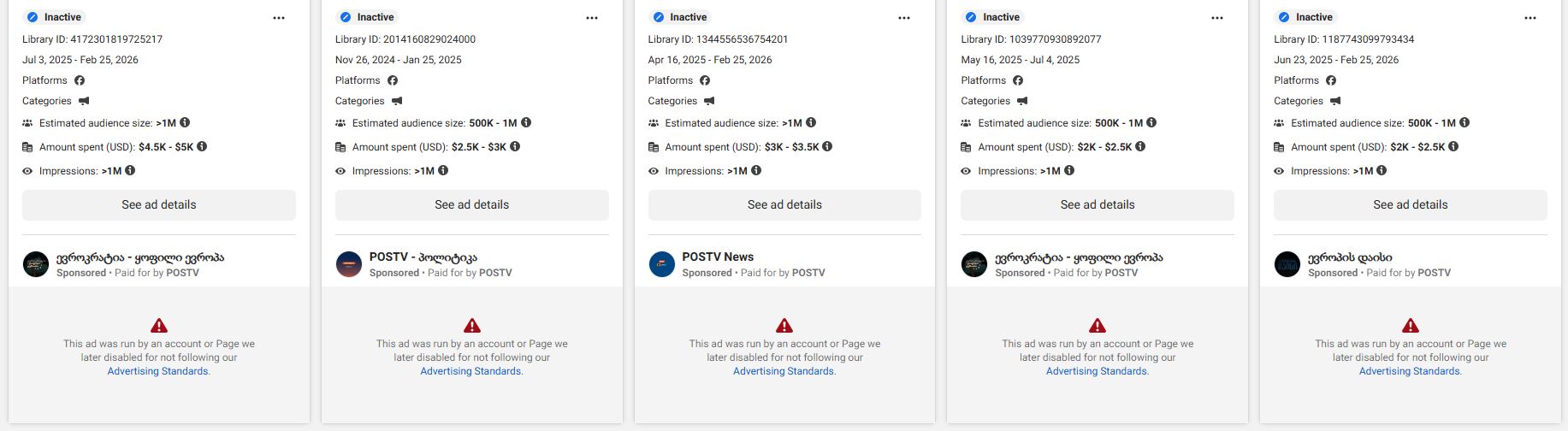

Propagandistic media outlets were among the largest advertisers on Facebook in Georgia. According to the latest data, in February 2026 alone, Imedi and Pos TV published nearly one thousand advertisements on their respective pages, with a total value of up to 38,000 USD in less than a month. According to data from Meta’s Ads Library, covering the period from August 2020 to February 25, 2026, these two television companies spent at least 786,305 USD on advertising on Meta platforms through various pages. This figure represents an absolute record among Georgian media outlets.
Political and/or social issue–related advertisements placed on Meta platforms by the television companies Imedi and Pos TV between August 4, 2020, and February 25, 2026.
Meta has not issued an official statement regarding the imposition of restrictions on the sanctioned Georgian media organizations. However, the platform’s past practice provides grounds to assume that the restrictions also affected the television companies’ Facebook pages. Experience in this regard is not extensive and mostly concerns Russian propagandistic media outlets.
The social media company Meta, which owns the platforms Facebook, Instagram, and WhatsApp, has gradually tightened its policies against Russian state media. In 2022, even before the global ban, the company restricted several state-controlled media outlets in terms of advertising placement and monetization on its platforms. Later, it fully banned organizations such as RT and Rossiya Segodnya due to their involvement in foreign influence operations. A few days before Meta’s decision, the U.S. Department of the Treasury had imposed sanctions on Russian government-aligned propagandistic media organizations and their employees.
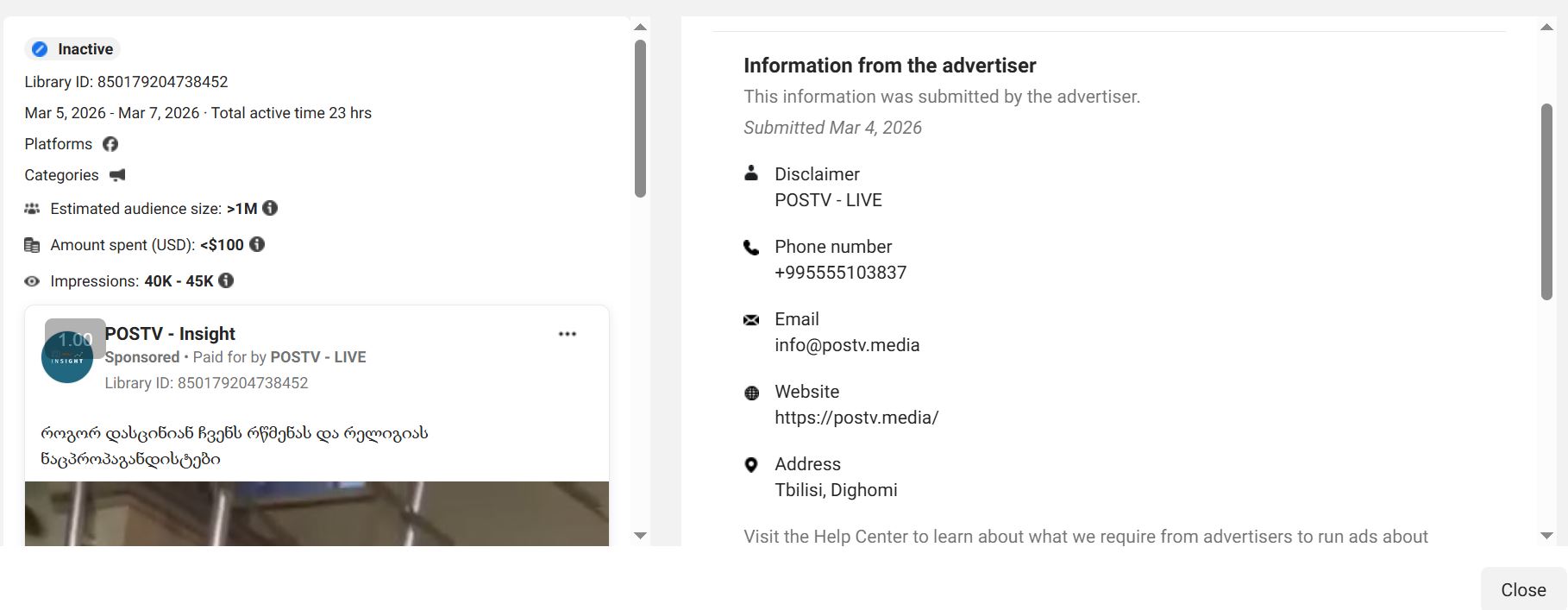
Alongside the suspension of advertisements on their main Facebook pages, Imedi and Pos TV are still attempting to regain the ability to distribute their content through paid promotion on Meta’s platforms to reach a broader audience. The International Society for Fair Elections and Democracy (ISFED) identified two new pages linked to Pos TV, which were created in March 2026, after the sanctions were imposed, and were used to place advertisements on Facebook. These pages obtained disclaimer to run political advertisements on March 4, and all advertisements were published within the following two days. Notably, both pages list identical contact information in the Ads Library disclaimer.
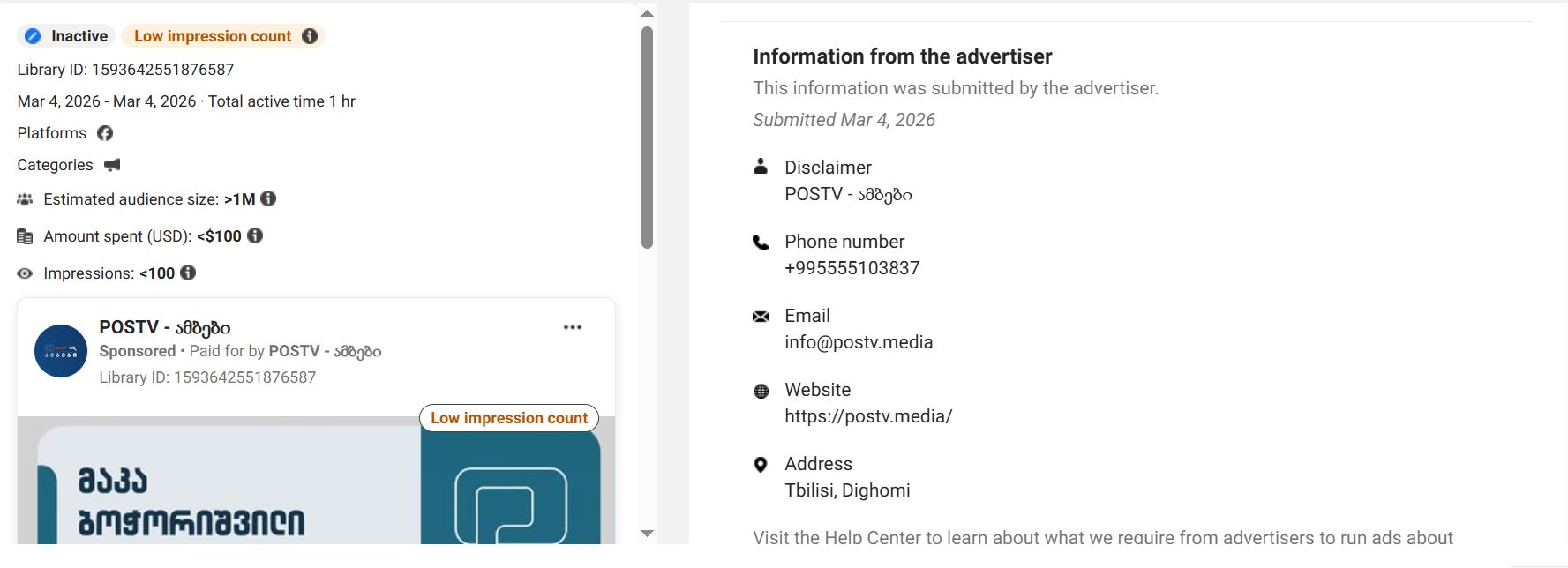
One Facebook page, “POSTV - News”, ran a total of 111 ads on Facebook, with a combined cost of 493 USD. The content of these ads was primarily anti-Western. Some of the narratives portrayed the West as a party interested in war in the ongoing conflicts in Ukraine and Iran. The sanctioned media also circulated political statements from representatives of “Georgian Dream”, claiming that the West used Ukraine and misled Georgia regarding its prospects of joining NATO and the European Union. Some of the promoted posts emphasized Georgia’s peaceful foreign policy while portraying the West as a force interested in war in the country.
Through sponsored posts, POSTV continued to discredit the Ukrainian government. Critical statements from political leaders in Slovakia and Hungary regarding the 90 billion euro loan to Ukraine were actively spread. In addition, POSTV produced a report targeting Ukrainian President Volodymyr Zelensky, accusing him of violating Hungary’s state sovereignty and interfering in democratic elections.

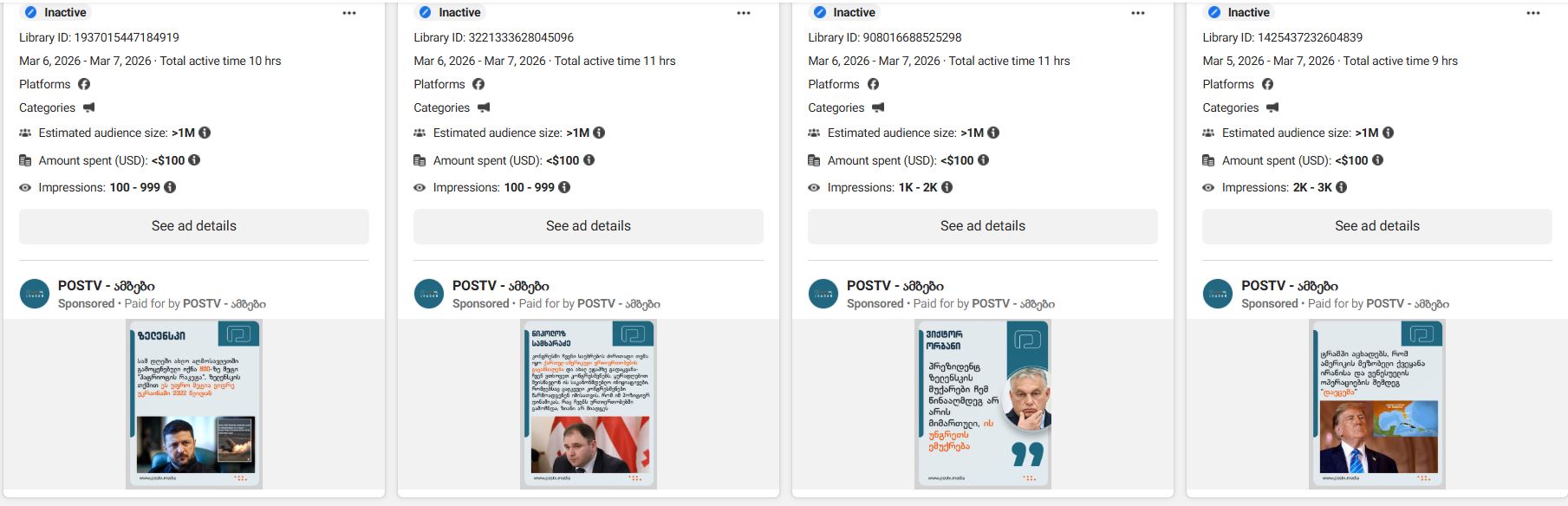
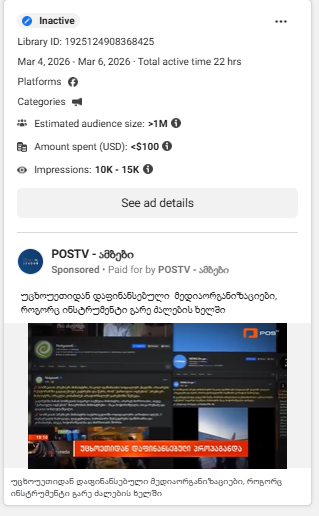
Additionally, the sanctioned media produced a report targeting independent online media organizations in Georgia. POSTV portrayed them as agents carrying out the orders of external forces.
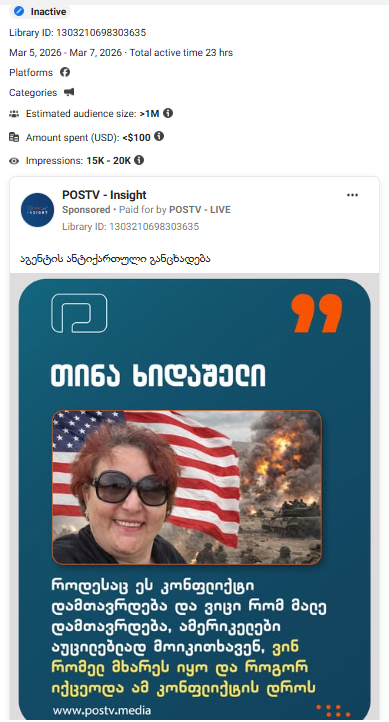
On the second page, “POSTV – Insight”, 23 ads were placed, with a total cost of 227 USD. In addition to anti-Western messages, this page engaged in discrediting Georgia’s opposition parties and civil society. Groups critical of “Georgian Dream” were portrayed as radical forces and as “agents” of a foreign country. The personalized discrediting campaign targeted Nino Lomjaria and Tinatin Khidasheli. Propaganda accused the former ombudsperson of acting against the interests of the state due to her visit to the German ambassador, while the campaign against Tinatin Khidasheli intensified after she publicly criticized “Georgian Dream”’s close diplomatic ties with Iran.
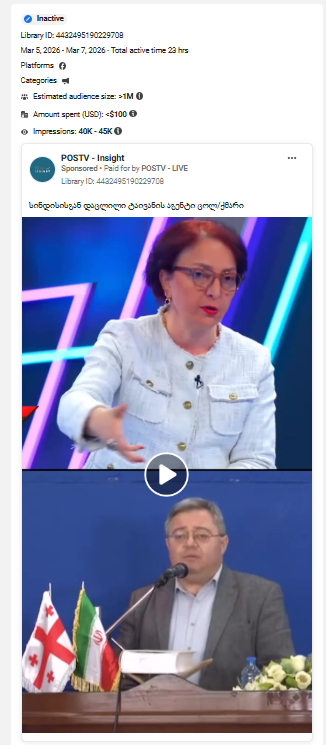
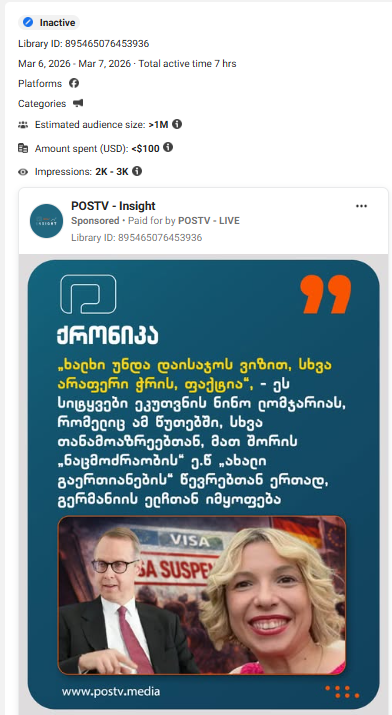
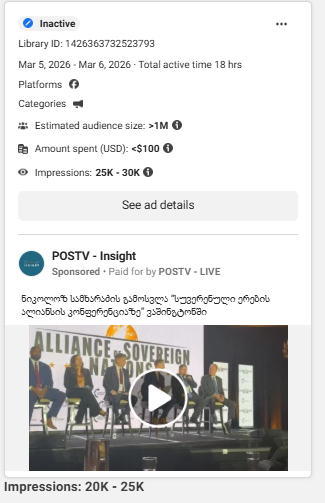
On both pages, POSTV actively promoted the message that “Georgian Dream” is attempting to renew its strategic partnership with the United States from a “clean slate,” while simultaneously advertising posts in which the party’s leaders discussed the importance of curbing foreign influence in Georgia. Alongside footage of the Georgian Dream parliamentary delegation’s visit to Washington, a speech by one of the party’s leaders, Nikoloz Samkharadze, at the “Alliance of Sovereign Nations” conference was circulated. In his speech, he addressed unrest in Georgia allegedly encouraged by American and European influence.
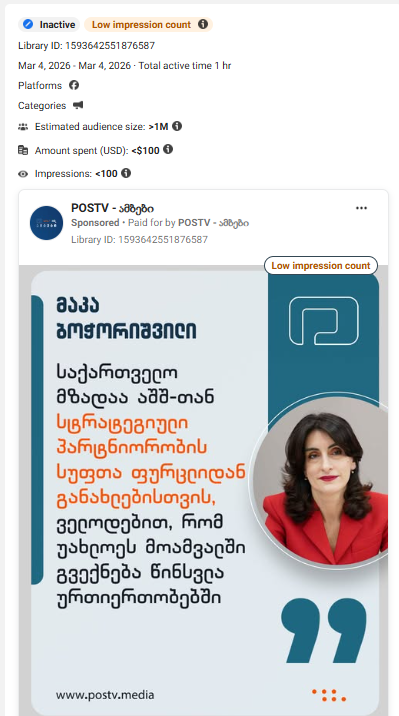
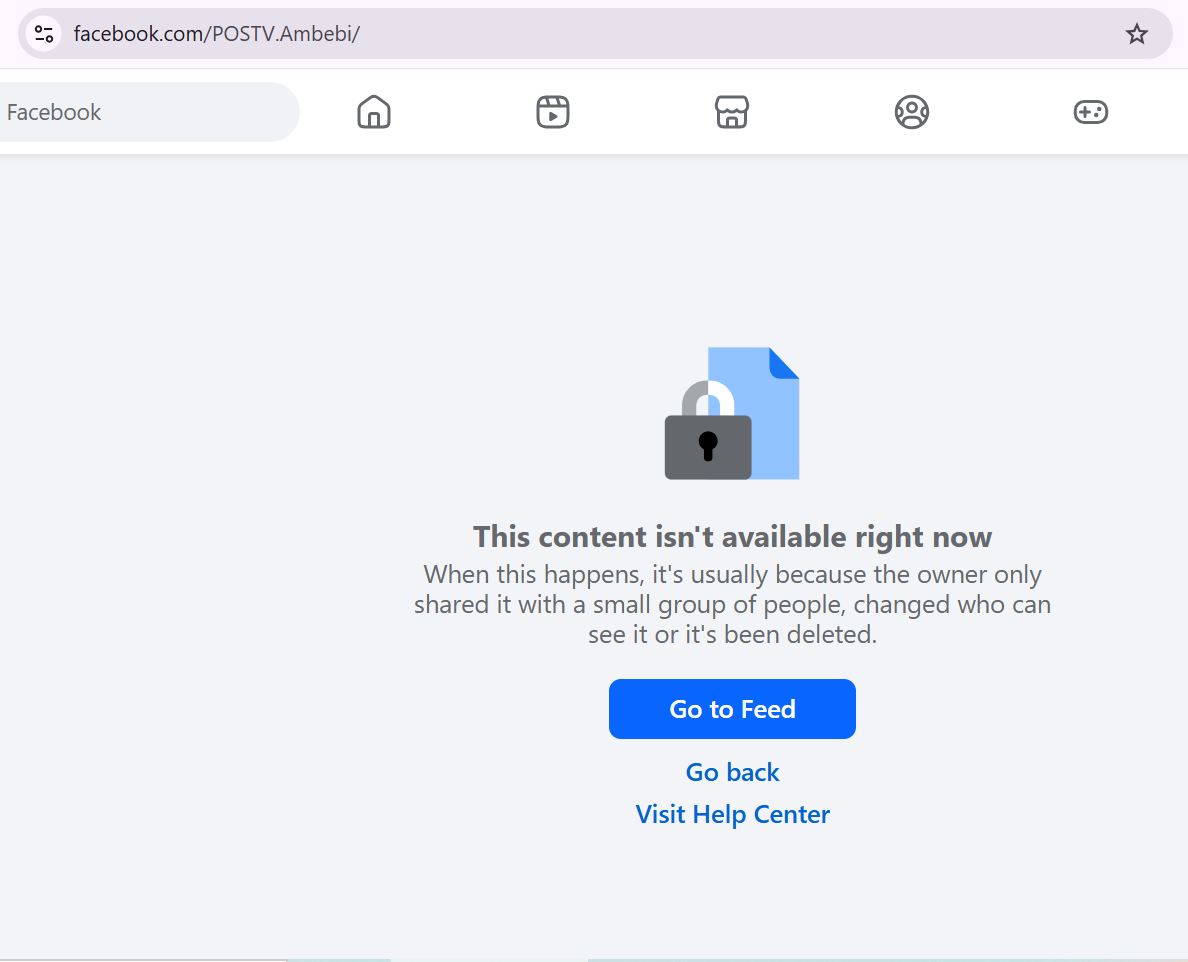
At this time, no new POSTV pages have been found. They were active only for a few days, and the reason for the deletion of the pages is unknown.

As it turns out, like POSTV, Imedi is also exploring various ways to use Facebook ads to attract audiences. After ads were stopped on its main pages, a Facebook page called “Supporters of Imedi” was created on March 3. The page received the ability to place ads on Meta on March 5, and on the same day, it sponsored a video titled: “Sandro Gamsakhurdia’s ‘Quote’ – Agent Tinatin Khidasheli”. So far, the page has only published two posts: Imedi’s statement regarding the sanctions and the video mentioned above.

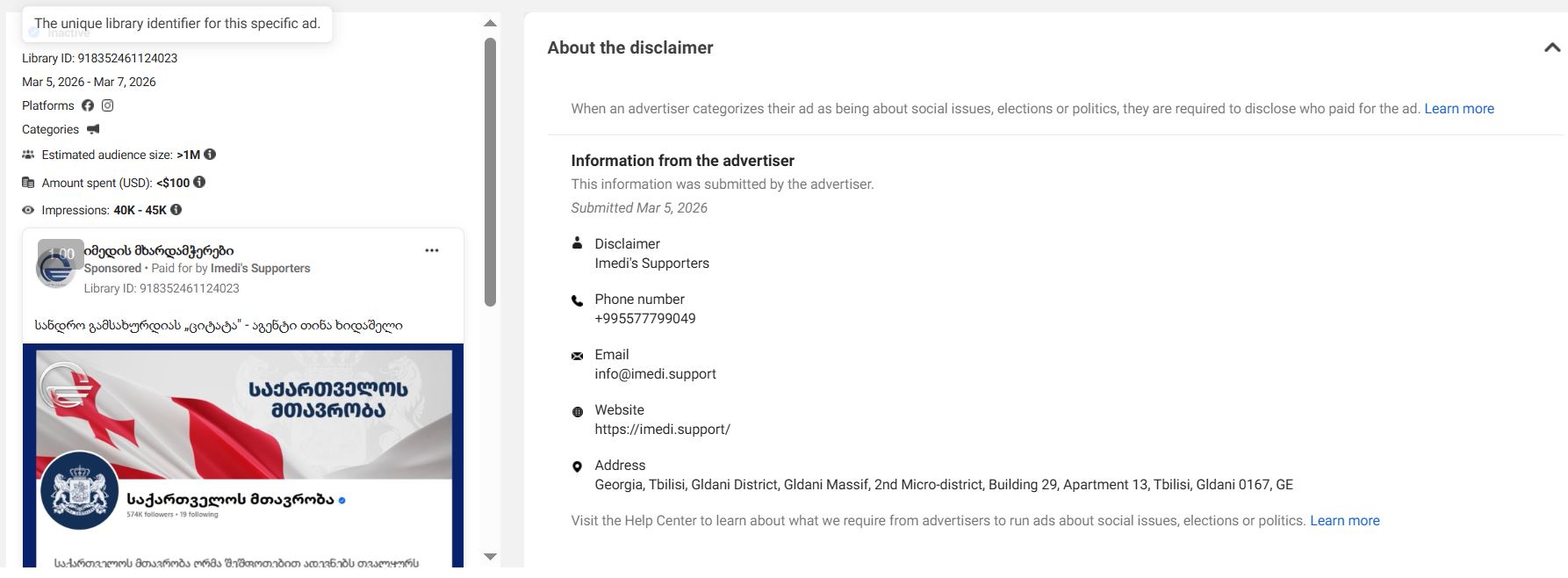
It should be noted that a limited liability company with the identical name “Imedi Supporters” was registered in the Public Registry on February 25. The company is 100% owned and directed by Nika Kldiashvili, who heads the social media department of the broadcaster.