
Coordinated Campaign of the Georgian Dream Propaganda Ecosystem Against the BBC Investigation

On December 1, 2025, the BBC published an investigation according to which, to disperse the protest rallies that began in Georgia on November 28, 2024, police forces may have used a chemical substance tested during World War I — Camite. France used Camite/bromobenzyl cyanide against Germany during World War I. Police forces used this substance in various countries for maintaining public order, but its use was later discontinued after it was found to have long-term effects on humans. Under international law, substances used to control crowds during riots must have only temporary effects.
The BBC investigation was based on chemical weapons experts, members/whistleblowers of the Georgian Ministry of Internal Affairs special forces, and doctors. The BBC also obtained a copy of a December 2019 inventory of the Special Tasks Department of the Georgian Ministry of Internal Affairs, which contained two unnamed chemical substances. They were listed as “chemical liquid UN1710” and “chemical powder UN3439”, along with mixing instructions. According to the BBC, identifying UN1710 was easy because it is the code for the solvent trichloroethylene, which allows other chemicals to dissolve in water. Identifying the second chemical, coded UN3439, proved much more difficult for the author of the investigation, because it is an umbrella code for a wide range of industrial chemicals, all of which are hazardous. The only chemical within this umbrella category that has been used as a means of crowd control is bromobenzyl cyanide, known as Camite.
The investigative material published by the BBC about the alleged use of a banned chemical substance to disperse protests in Georgia triggered sharp political reactions in the country. In this context, the BBC report was followed not only by negative but by a sharply aggressive and organized counter-campaign from the Georgian Dream party, involving propagandistic media, party-affiliated experts, anonymous pages, and accounts.
The main focus was placed not on the content of the investigation, but on discrediting the source of the investigation, its methodology, the experts involved, and the authority of the BBC in general. As a result, pro-government and propagandistic channels began portraying the BBC as an unreliable outlet that allegedly took orders from “Western centers” and “special services.” This is where the main framing of the campaign began: everything was declared a “hybrid war” planned against Georgia, aimed at destabilizing the government and inciting unrest in the country.
Key Messages of Georgian Dream's Propaganda Network
BBC is not a reliable media outlet
After the BBC published its investigation, the first to join the information operation were supporters of Georgian Dream who position themselves as experts. They portrayed the BBC as a spreader of disinformation and a media outlet with a damaged reputation. Facebook statuses by Ghia Abashidze, Davit Chikhelidze, and Nino Pochkhua were covered by media outlets that are part of Georgian Dream's propaganda ecosystem, and some of the posts were promoted.
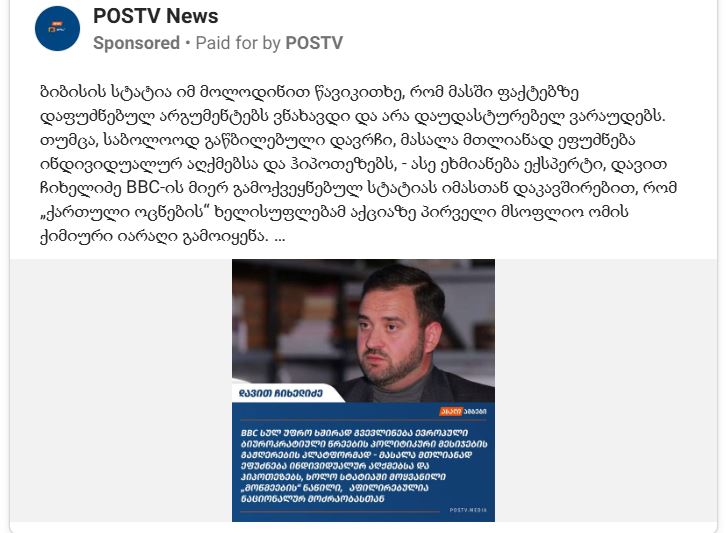
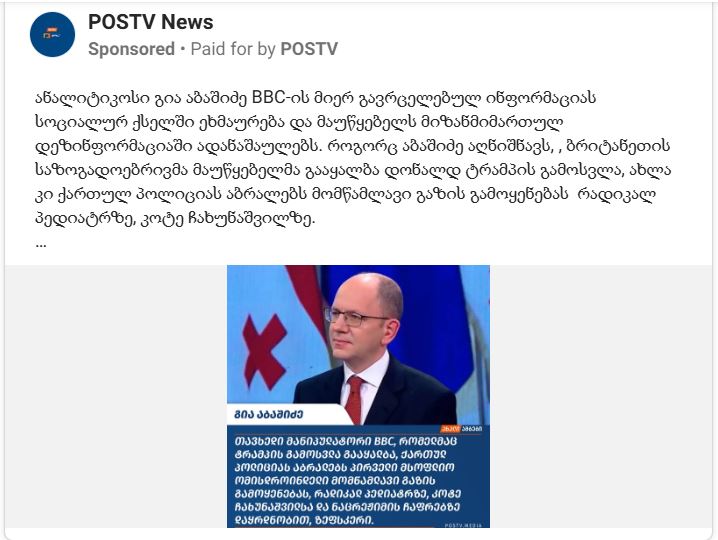
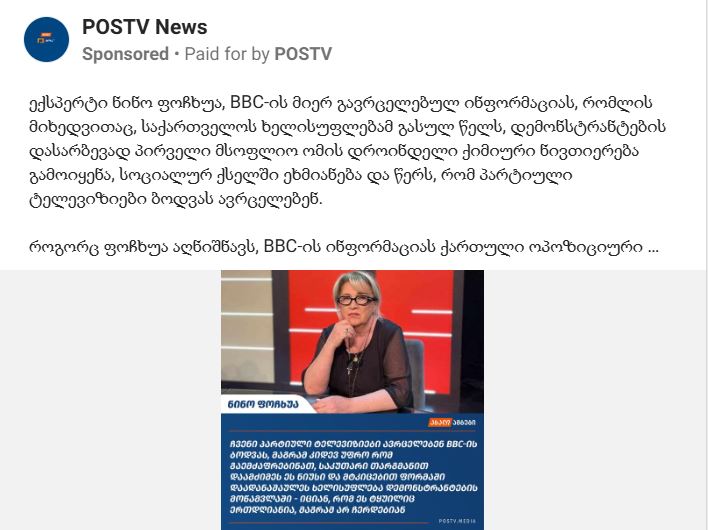
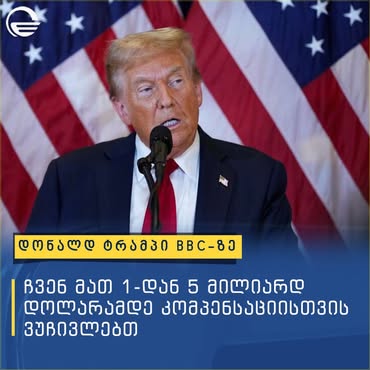
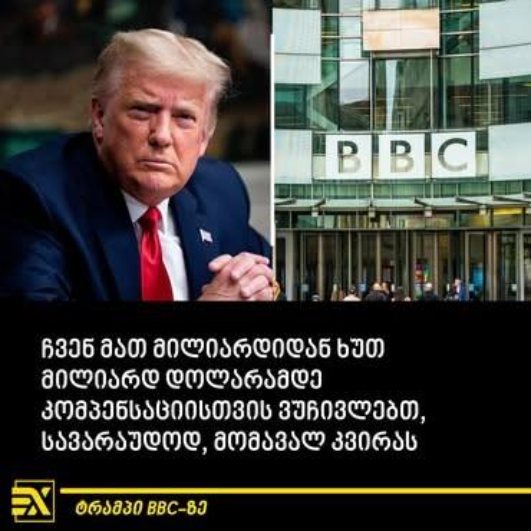
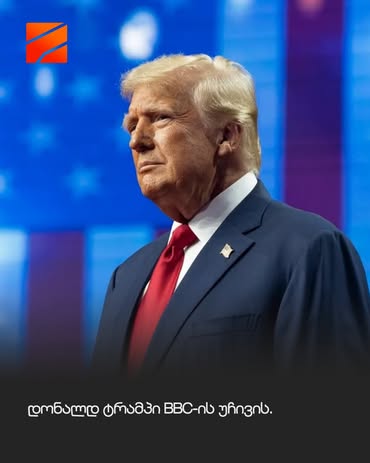
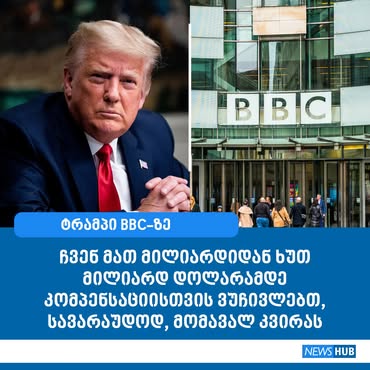
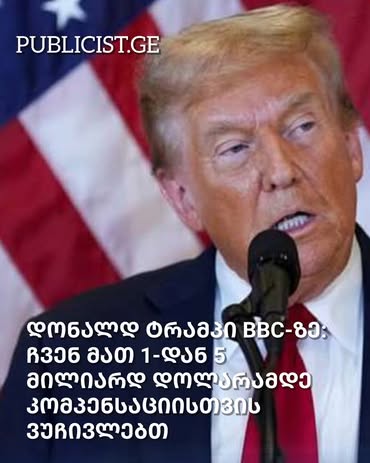
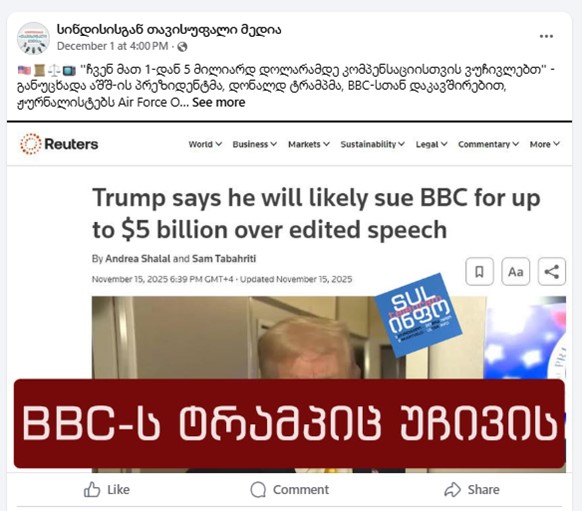
After the campaign to discredit the BBC was launched by so-called “experts,” propagandistic media also became involved. On their Facebook pages, they published identical cards about a statement made by Donald Trump on November 10, in which he spoke about suing the media. This message was then actively amplified by “experts” and representatives of the Georgian Dream party.

BBC only relied on the Chakhunashvilis’ research
After the publication of the BBC documentary film, propaganda media portrayed it as relying solely on the Chakhunashvilis’ research, against which an active discreditation campaign was conducted. Even though the BBC documentary itself emphasized that the Chakhunashvilis were unable to determine the substance used, propaganda media presented the identification of bromobenzyl cyanide within the investigation to its audience entirely as information provided by the Chakhunashvili family and subsequently portrayed their denial of this information as a retraction. This type of propaganda strategy aimed to reduce the entire complex journalistic work to one specific source and, by devaluing it, to discredit the entire investigation, despite the fact that the BBC investigation relied on diverse sources.
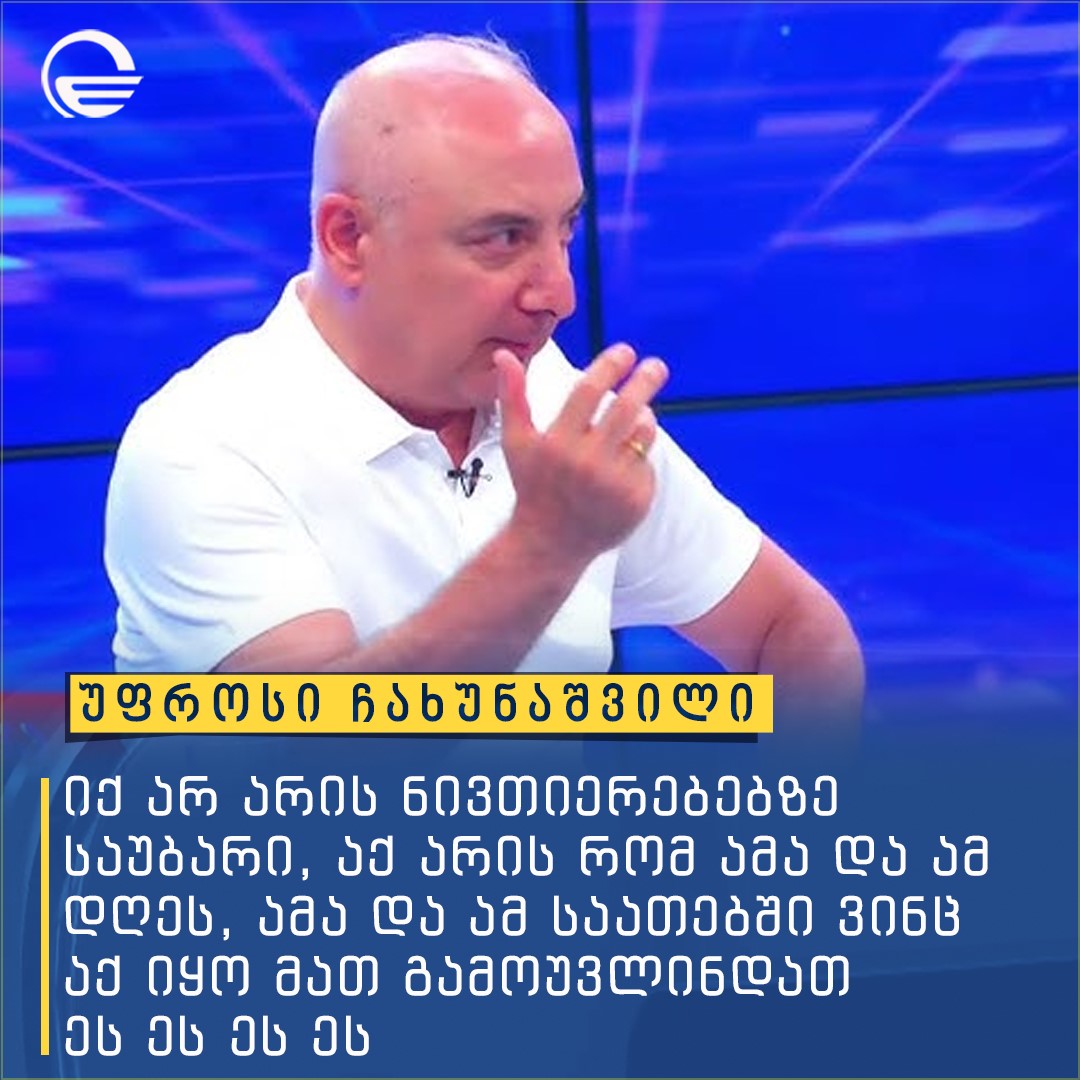
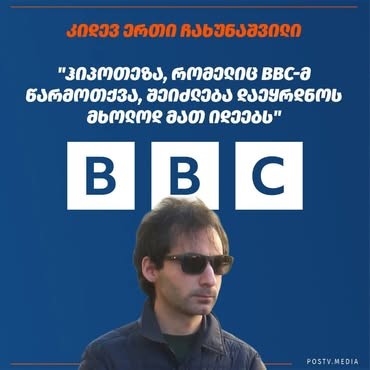
Georgian Dream's propaganda ecosystem purposefully attempted to damage the reputation of those doctors and experts who described "atypical symptoms" among protest participants in interviews with the BBC, including signs of chemical intoxication. The doctors were presented as "politicized" individuals connected to the opposition, whose professional opinions were supposedly unworthy of scientific consideration. A campaign of personal discreditation of the Chakhunashvilis was actively ongoing on social media platforms.
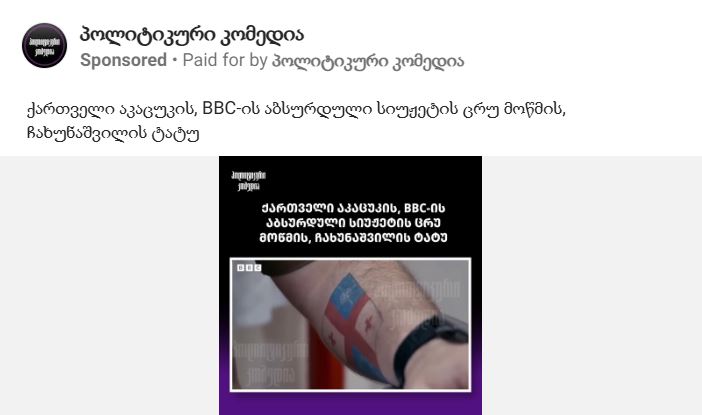
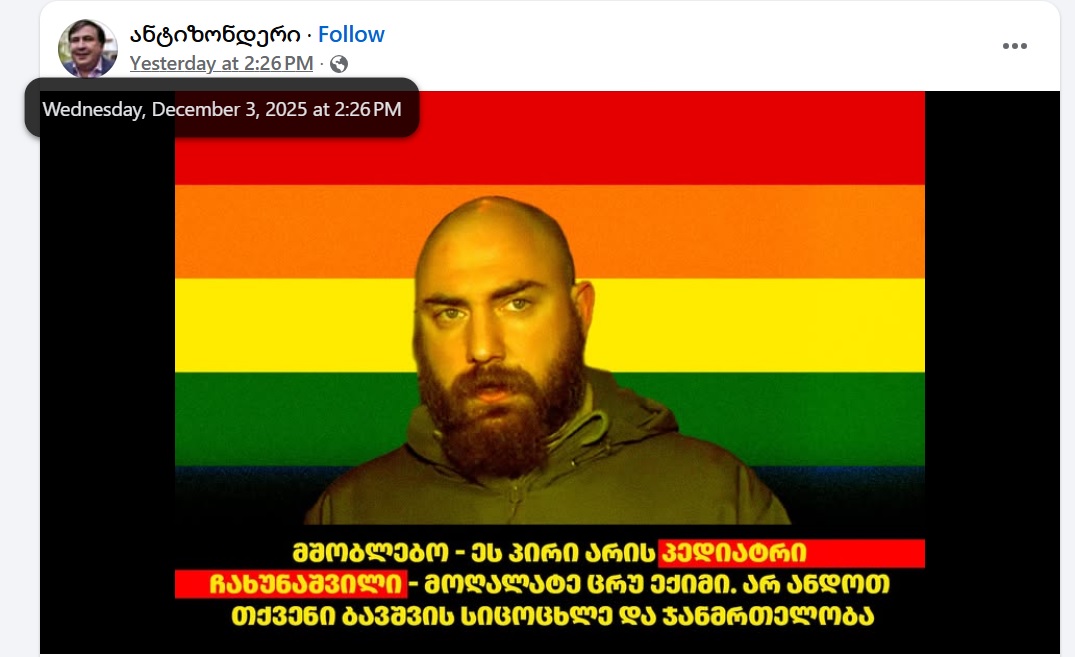
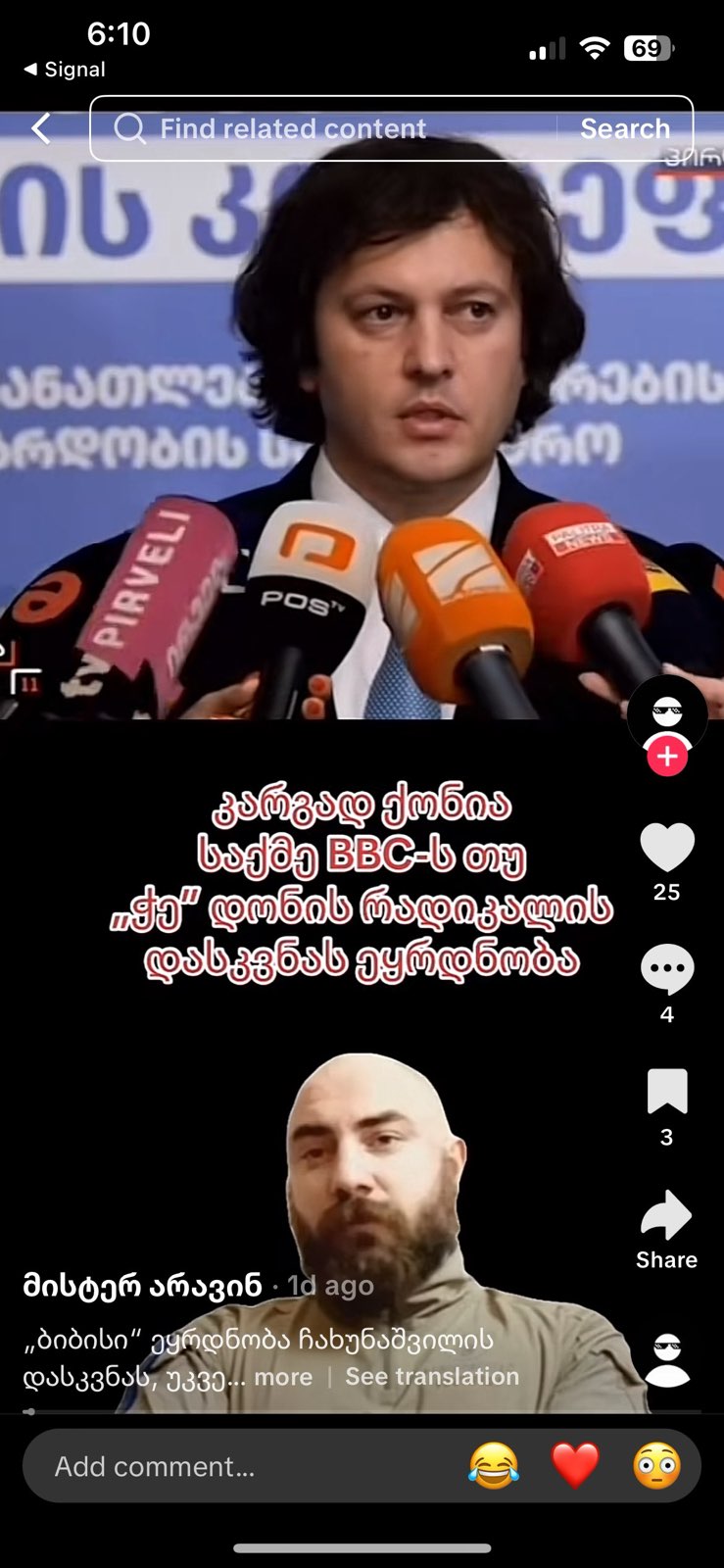
BBC's investigation is part of foreign intelligence services operation/hybrid warfare
On December 1, propaganda media published statements by Georgian Dream leaders, in which the BBC article was assessed as part of a targeted international campaign. In official comments, the journalistic investigation was presented as a possible orchestrated attack against Georgia, while the BBC itself was portrayed as a biased, politically influenced, and unreliable media outlet.
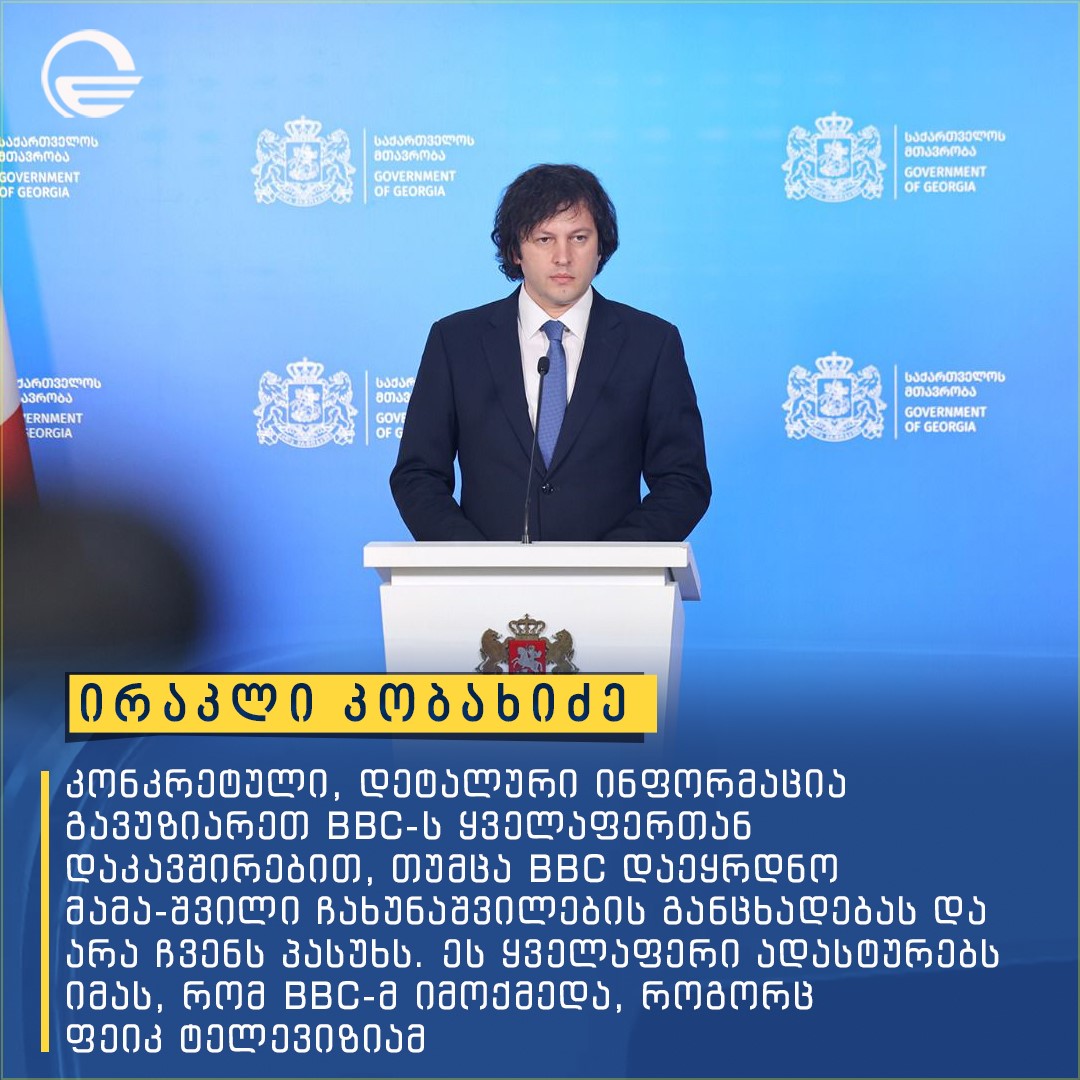
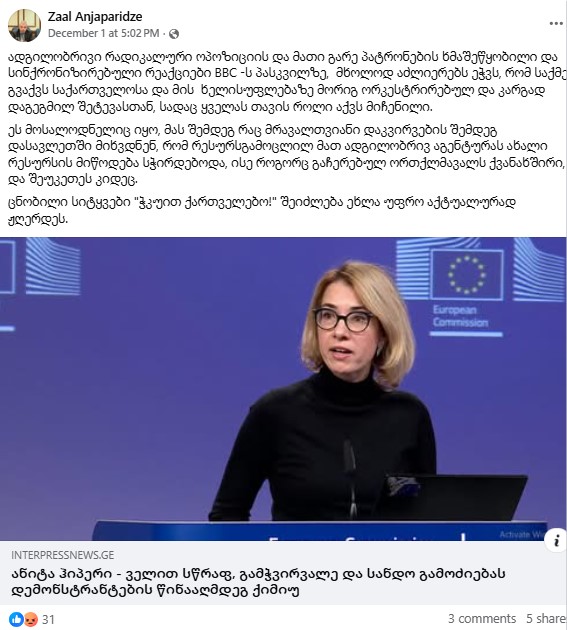
Excerpts from briefings by Irakli Kobakhidze and Shalva Papuashvili were actively disseminated on TikTok and Facebook through anonymous supporter pages. The party leaders spoke about a special operation and/or hybrid warfare planned against Georgia by malicious forces, whose goal was to "artificially inflate the extinguished protest momentum" in the country. Meanwhile, conspiracy theories spread about the interference of the "deep state" and " Euro bureaucracy."
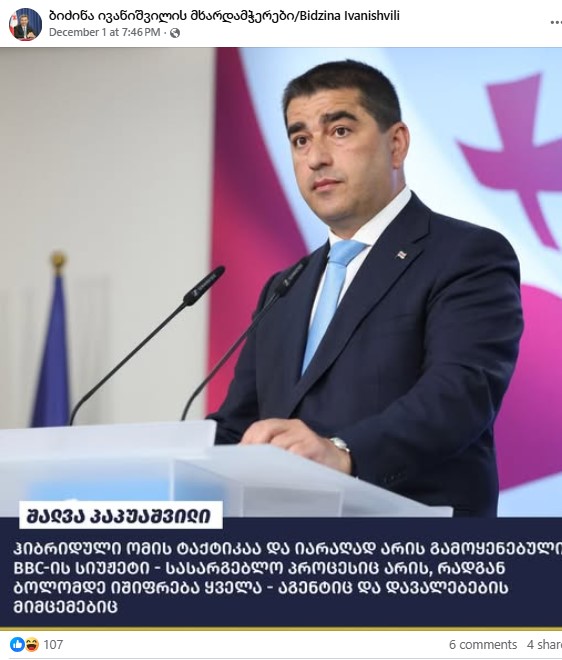


BBC did not interview toxicologists
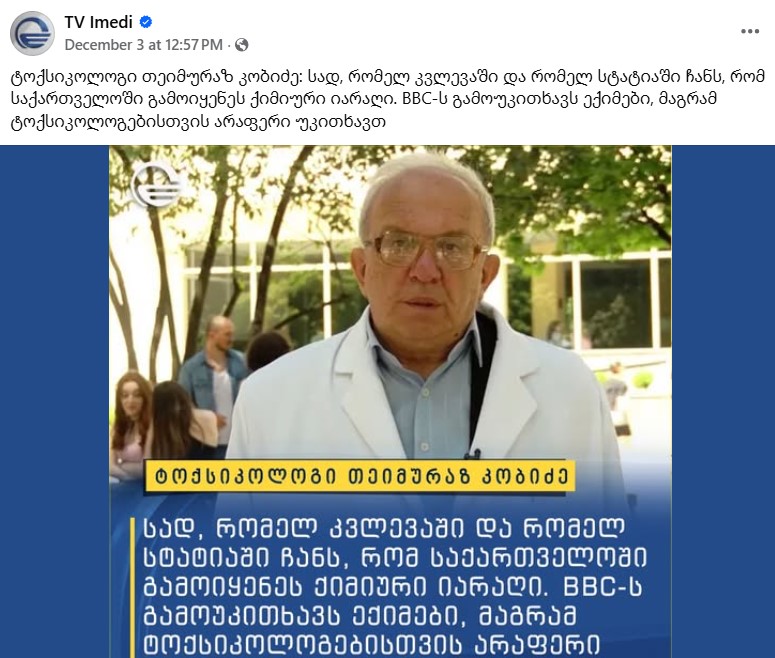
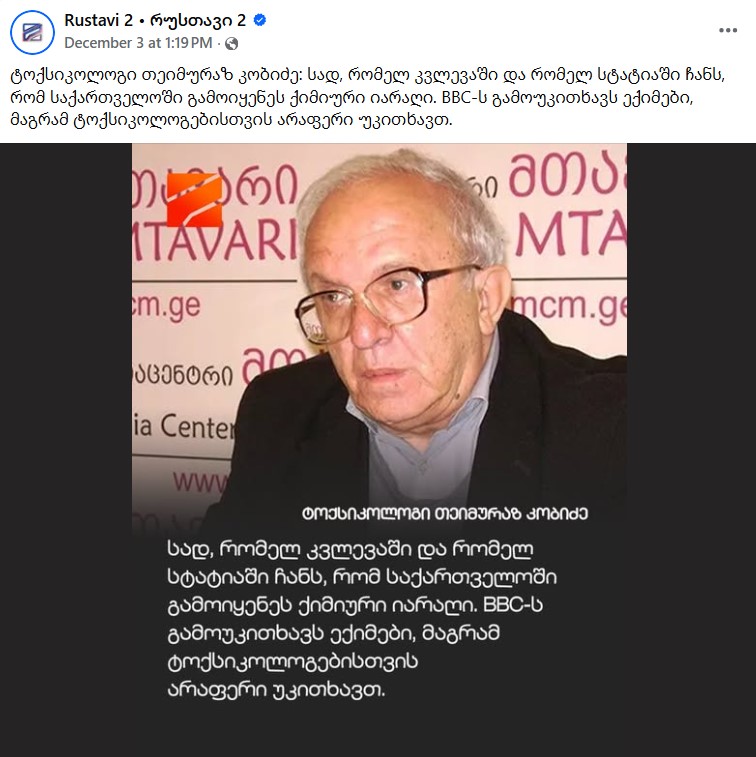
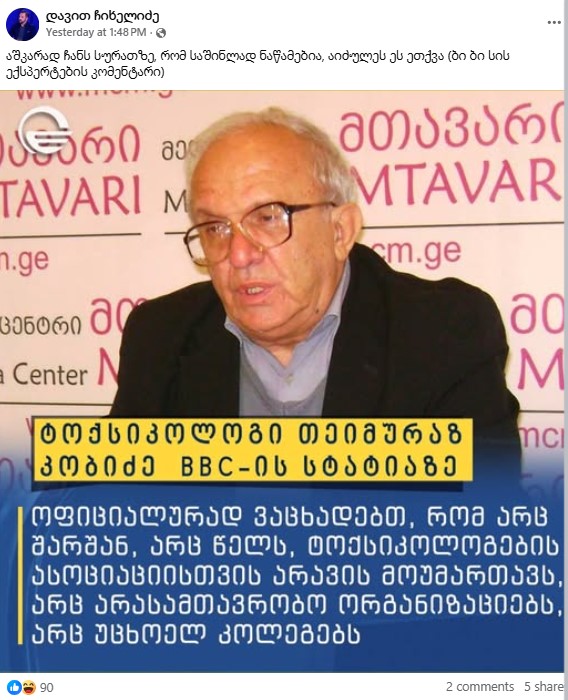
On December 3, propaganda media outlets - "Imedi," "Pos TV," "Rustavi 2," and other agencies, including the Public Broadcaster, disseminated yet another disinformation narrative, according to which the BBC supposedly did not consult a toxicologist during its investigation. To reinforce this disinformation narrative, a comment from toxicologist doctor Teimuraz Kobidze was used.
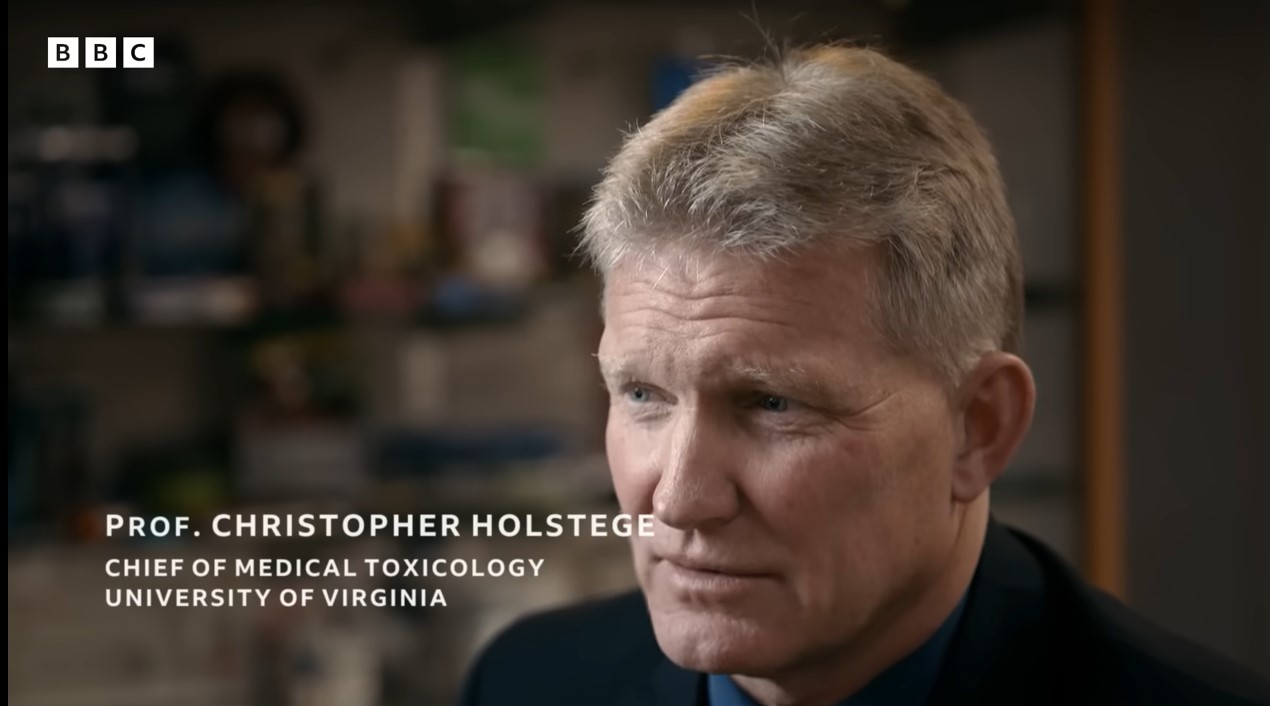
In reality, as part of the investigation, the BBC addressed its questions to one of the most influential toxicologists, Professor Christopher Holstege, head of the Division of Medical Toxicology at the University of Virginia. Notably, his scientific works have been cited more than 4,500 times.
Contradictory Messages about the Ministry of Internal Affairs’ Possession of Camite
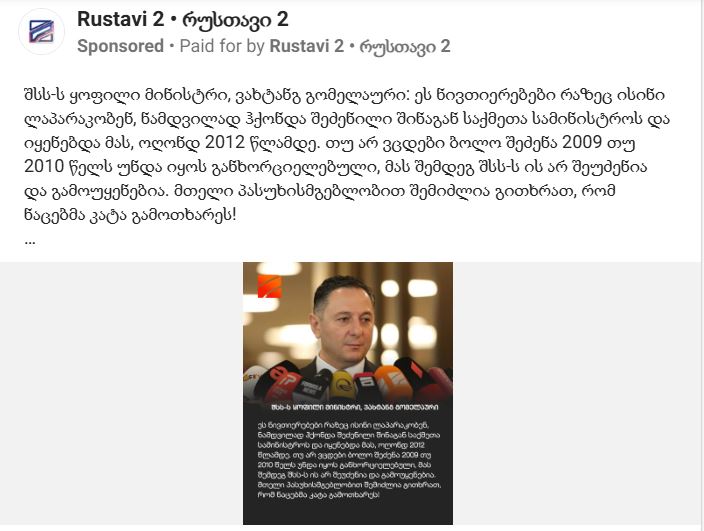
After the publication of the BBC investigation, representatives of Georgian Dream made contradictory statements regarding the possession of Camite by the Ministry of Internal Affairs. Former Minister of Internal Affairs Vakhtang Gomelauri, whose exclusive comment was broadcast by Imedi TV, stated that the chemical agent had been purchased and used by the Ministry before 2012. Later, the acting Minister of Internal Affairs and his deputy denied Gomelauri’s statement and claimed that the agency had never purchased it.
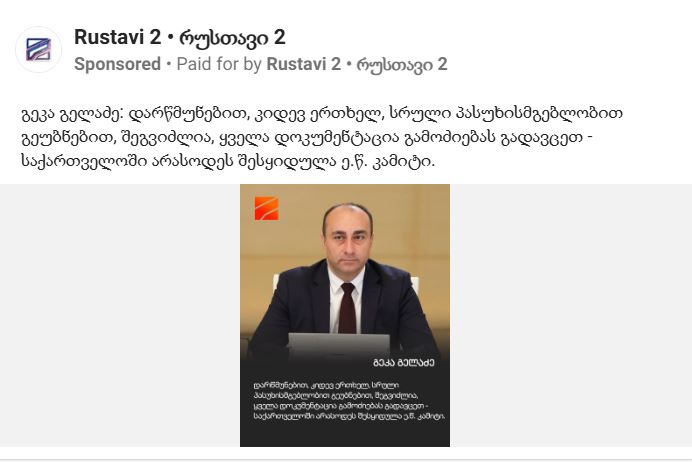
Irakli Kobakhidze also commented on the Ministry of Internal Affairs’ alleged possession of bromobenzyl cyanide. At a briefing, he denied that the ministry had ever purchased the chemical agent, but in response to a journalist’s question, he stated that if anyone could be held responsible, it would be Vano Merabishvili (the minister of the Internal Affairs in 2004-2012). At the same time, Kobakhidze confirmed that, during the dispersal of the protest, a substance under the code UN3439 had been mixed into the water cannon, while claiming that this substance is not banned.
Mockery of the BBC Investigation and Its Respondents
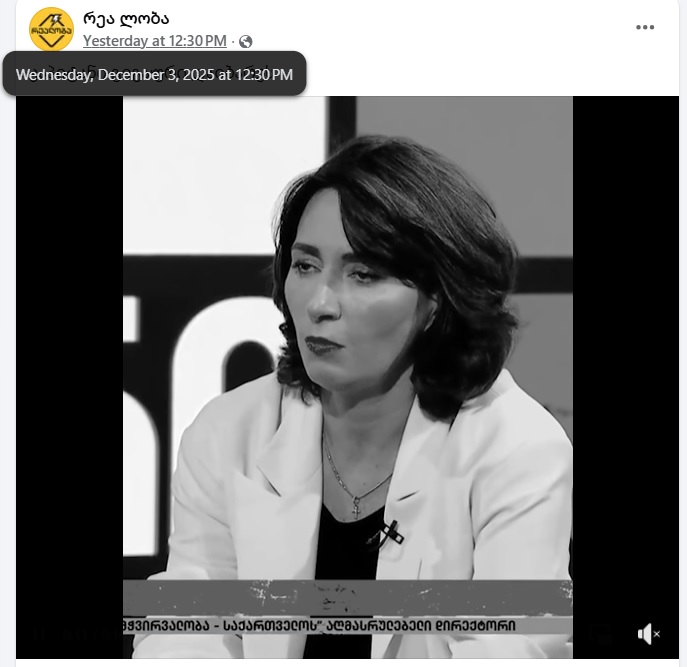
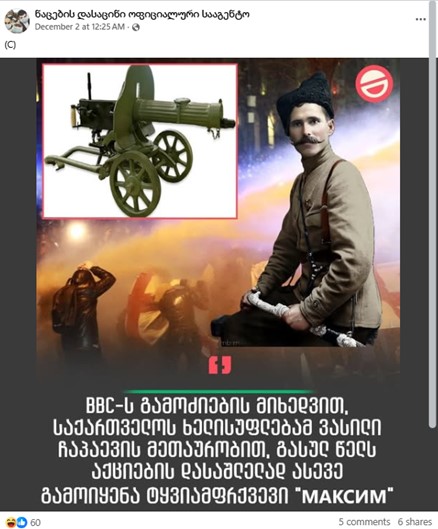
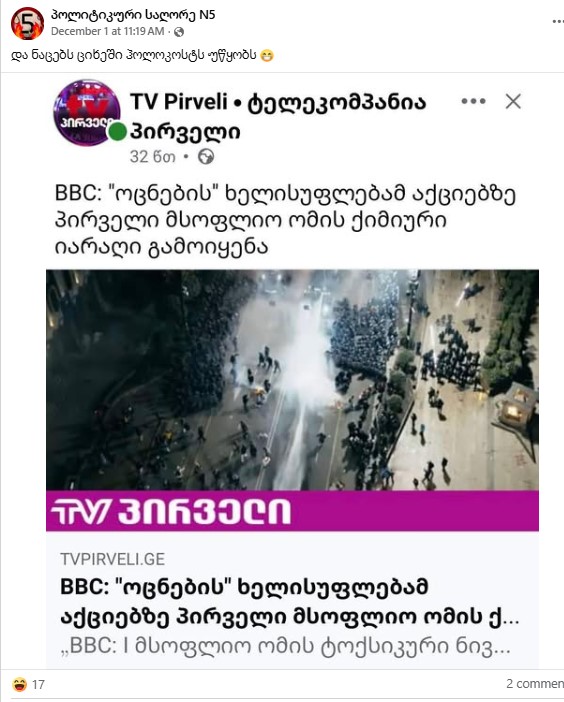
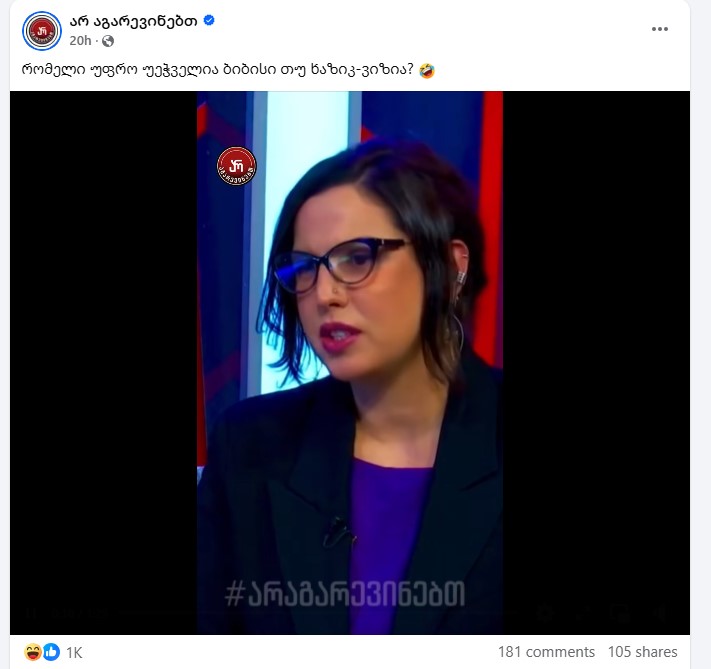
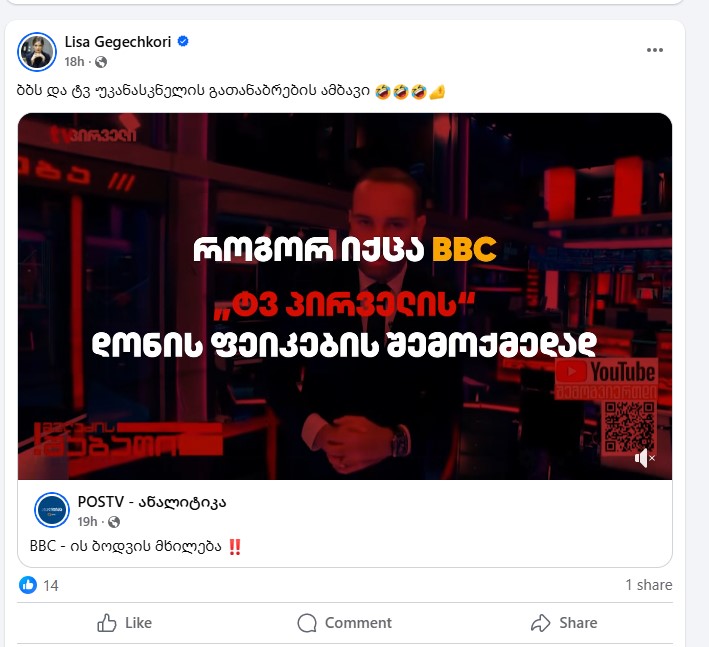
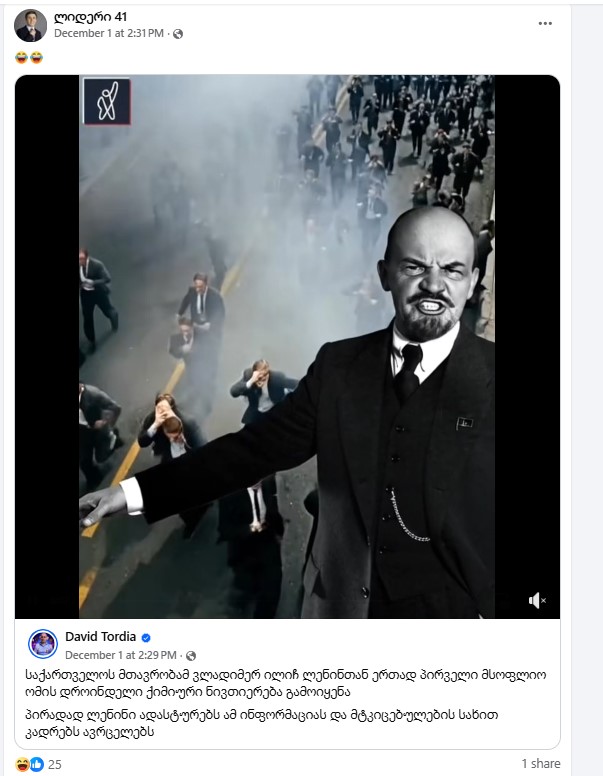
In connection with the BBC investigation, individuals positioning themselves as “experts” affiliated with Georgian Dream, as well as anonymous accounts, also disseminated satirical content. Some of these posts were aimed directly at mocking the BBC investigation and its respondents, while others sought to discredit participants in the pro-European protests and critical media.
Coordination of propaganda media and advertisements
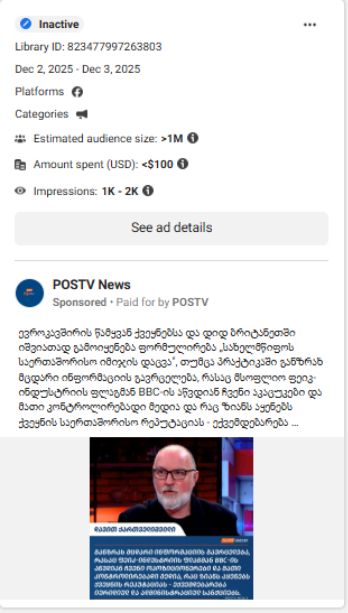
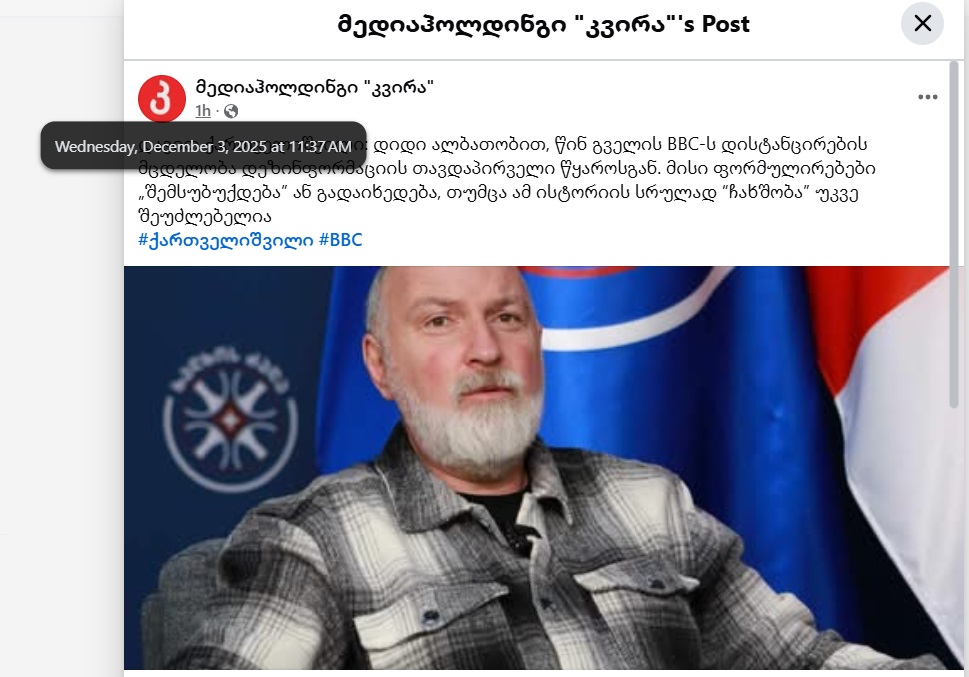
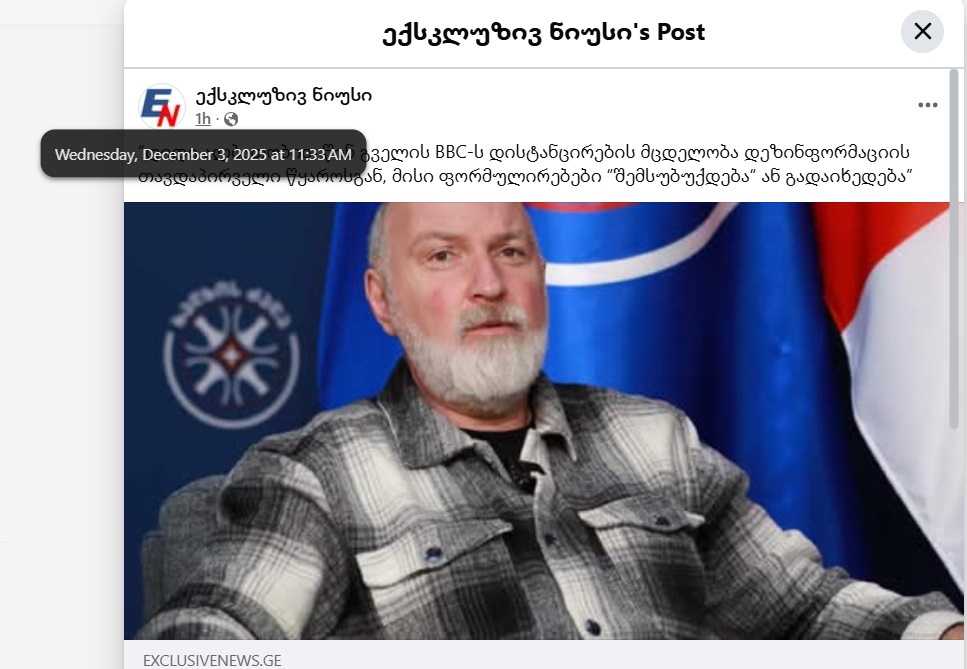
The campaign attempting to devalue the BBC investigation was coordinated by Georgian Dream's propaganda ecosystem, and significant financial resources were spent on it. The narratives disseminated by propaganda media were consistent and mostly repeated the messages of party leaders, "experts," and anonymous actors. They attacked the investigation's authors and respondents in a coordinated manner, which is also indicated by the fact that propaganda media selected identical sentences from lengthy statements and Facebook statuses to use as article headlines and for advertised cards.
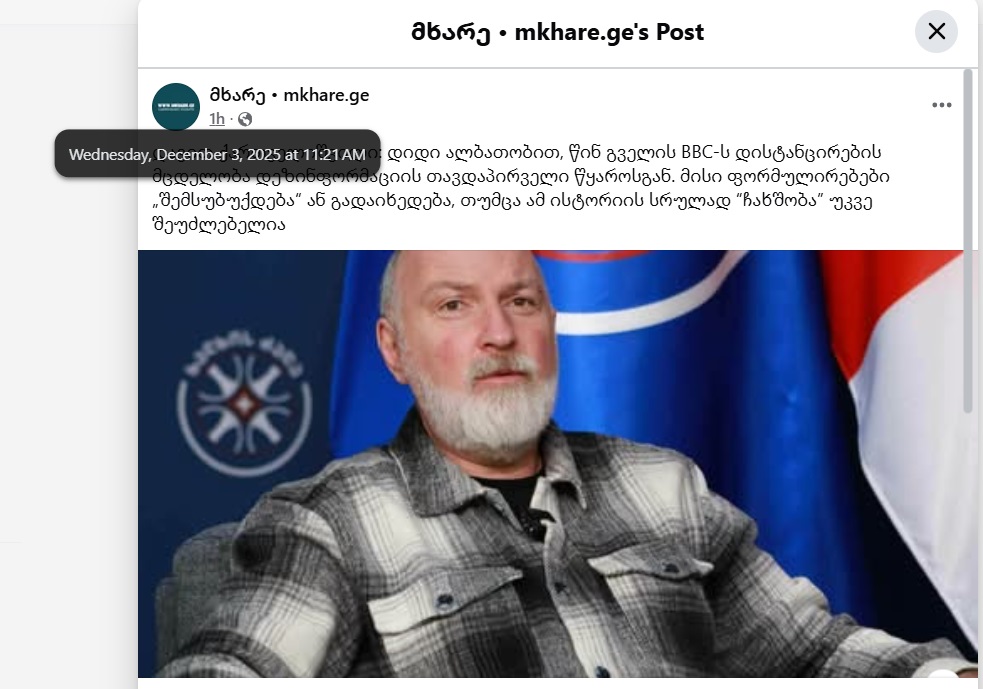
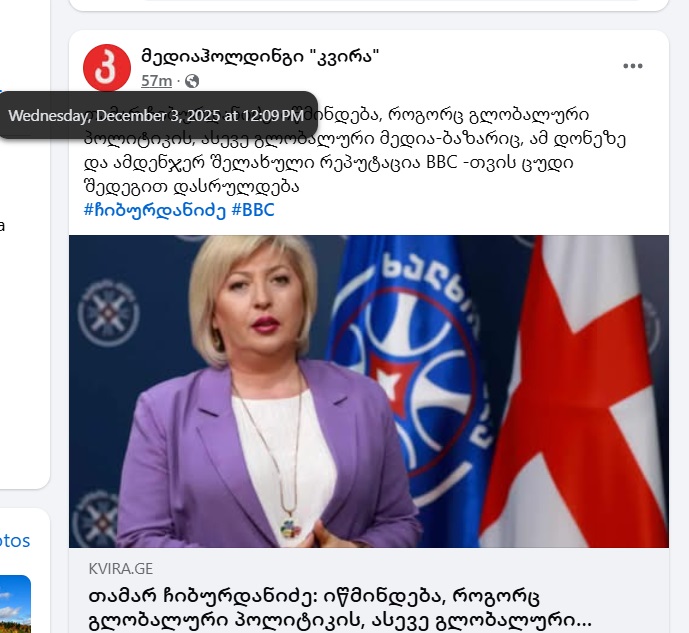
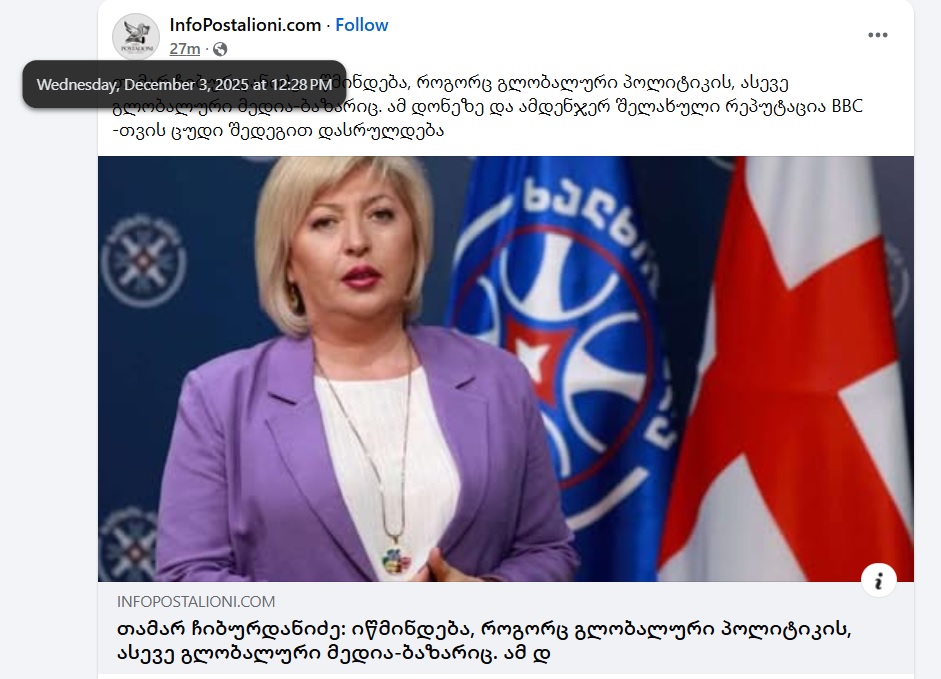
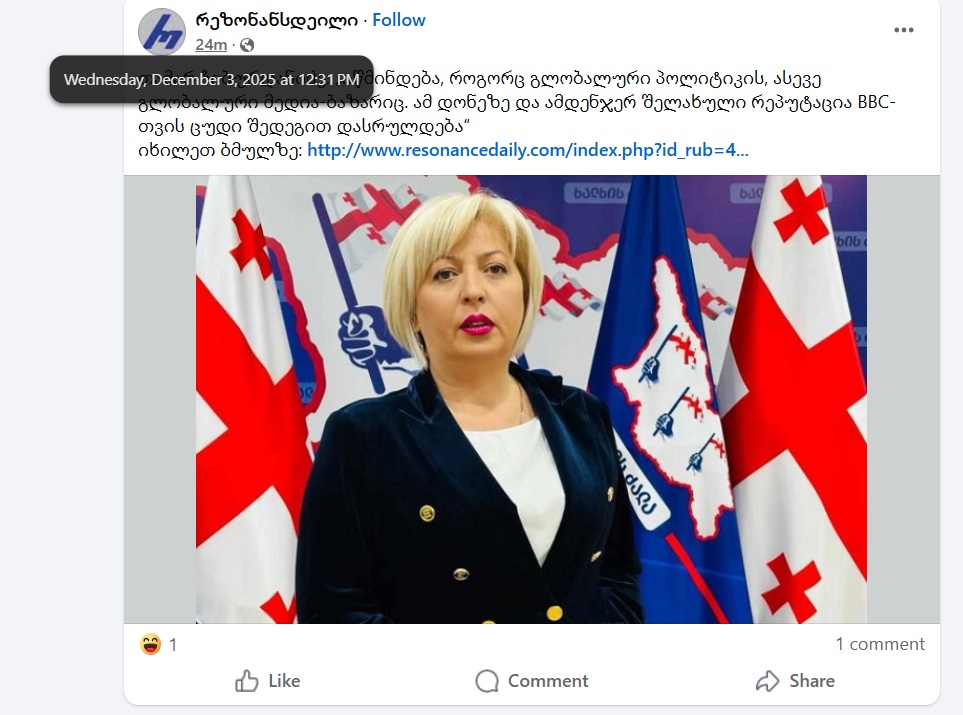
Between December 1–3, ISFED identified at least 50 advertisements in Meta’s Ad Library that were aimed at further amplifying propagandistic messages. Most of the ads — 26 in total — were published on a single page, POSTV News, and most of them cost less than $100. An exception was a post published on the official Facebook page of Georgian Dream, for the promotion of which between $900 and $1,000 USD was paid.
Photo Gallery
